
While most AI chatbot apps struggle to break through the noise, Dootchi quietly built a $70,000 monthly recurring revenue business with 200,000 downloads using a deceptively simple TikTok strategy. The AI companion app, positioned as an 'Emochi alternative,' didn't rely on paid advertising or influencer partnerships—instead, it tapped into something far more powerful: authentic user-generated content around emotional connection.
Dootchi's growth trajectory reveals a fascinating case study in organic virality. The app, developed by Hannah Renee Kirk, offers AI companionship through roleplay scenarios—users can chat with AI characters who serve as confidants, friends, or mentors. But the real genius wasn't in the product itself; it was in how the community naturally began sharing their experiences on TikTok.
The viral mechanics behind Dootchi's success center on TikTok's algorithm favoring authentic, relatable content about loneliness and mental health. Users began creating videos showcasing their interactions with the AI, often framing them around themes like 'when you have no one to talk to' or 'this AI actually understands me.' These weren't sponsored posts—they were genuine testimonials from users who found real value in the app's empathetic AI responses.
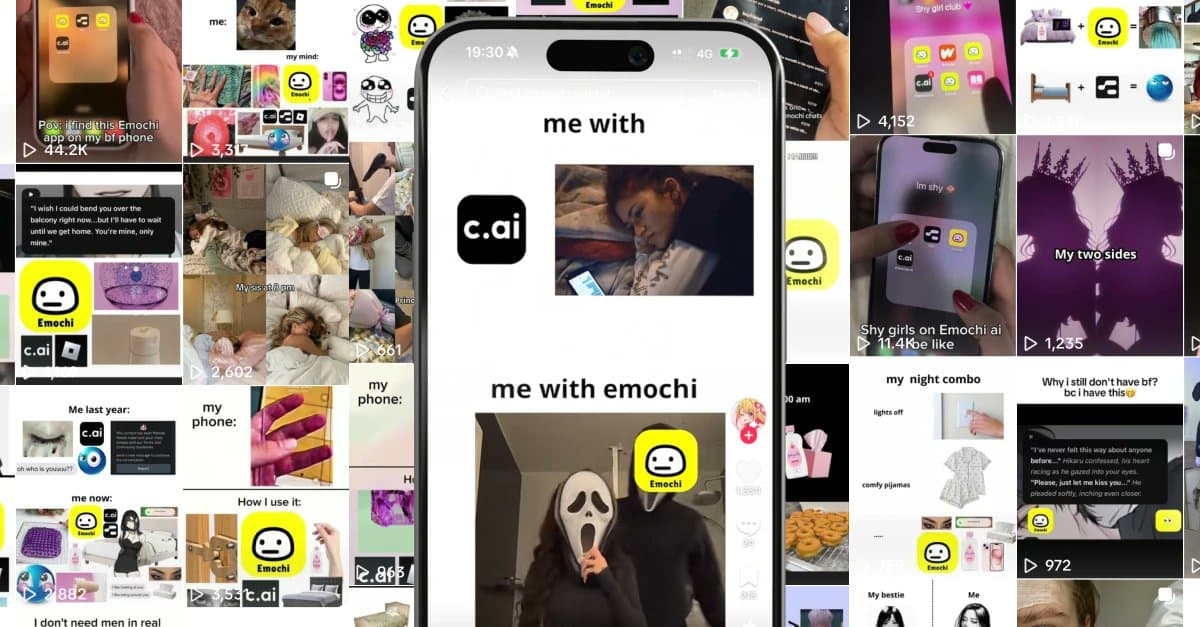
What makes this strategy particularly effective is the app's positioning within the broader 'AI companion' trend that's exploded on TikTok. By searching 'Emochi AI' on TikTok, you'll find thousands of videos from users sharing screenshots of conversations, reaction videos to AI responses, and 'day in my life with my AI friend' content. Dootchi capitalized on this existing content ecosystem while offering enhanced privacy features and more sophisticated emotional recognition.
The revenue model behind these 200,000 downloads is equally impressive. At $70,000 MRR, Dootchi is converting approximately 3-5% of users to paid subscriptions, likely offering premium features like unlimited conversations, advanced roleplay scenarios, or enhanced AI personalities. This conversion rate significantly outperforms industry standards for entertainment apps, suggesting that users who discover the app through authentic TikTok content are more engaged and willing to pay.
Privacy played a crucial role in Dootchi's viral appeal. Unlike many AI chatbots, Dootchi emphasizes end-to-end encryption and no manual access to conversations. This privacy-first approach resonated particularly well with TikTok users who were sharing vulnerable moments with their AI companions. The assurance that conversations remained private encouraged more authentic sharing and word-of-mouth growth.
The timing of Dootchi's growth aligns with broader cultural shifts around mental health awareness and the normalization of AI relationships. TikTok users, particularly Gen Z, have shown remarkable openness to discussing loneliness and seeking alternative forms of emotional support. Dootchi positioned itself perfectly within this conversation, offering a judgment-free space for emotional expression.
Three key takeaways emerge from Dootchi's organic growth strategy: First, authentic user-generated content consistently outperforms paid advertising in the AI companion space—focus on creating genuine value that users naturally want to share. Second, privacy and security aren't just features; they're growth drivers that build trust and encourage vulnerable sharing. Finally, positioning your app within existing content trends rather than trying to create new ones can dramatically accelerate organic discovery and viral potential.